


Supported Housing · 6 July 2026
NHF Warns Proposed Section 106 Changes Could Cost Rural England 32,000 Affordable Homes in a Decade
By the Silkwood Group team · 4 min read · Updated 22 July 2026
Key takeaways
- • The government is consulting on allowing developers of sites of 10 to 49 units to make cash payments to councils instead of delivering affordable homes on site.
- • The NHF estimates the change could affect 32,000 affordable homes over the next decade, with rural communities hit hardest.
- • Section 106 accounted for 51.3% of affordable housing in the most rural areas of England last year and about 36% of all affordable homes delivered in 2024 to 2025.
- • Ministers are expected to make a final decision within weeks, making this a live issue for developers and housing associations.
A proposed relaxation of affordable housing rules on small and medium sized developments has drawn a sharp warning from the housing association sector. In analysis published in early July, the National Housing Federation (NHF) cautioned that changes to Section 106 obligations could strip out a large share of future affordable homes in rural England, at a time when council housebuilding remains well below historic levels and the private sector still underpins much of the country's affordable supply. ## What the government is proposing
The debate centres on Section 106, the planning mechanism through which developers deliver a proportion of affordable homes as part of new schemes. The government, in its consultation on changes to the National Planning Policy Framework, said it is exploring enabling developers to discharge section 106 affordable housing requirements through cash payments to local authorities instead of providing the homes on site, a move which would only apply to sites of between 10 to 49 units, being considered to help SME housebuilders.
The rationale is viability. Supporters argue that reducing planning obligations could make residential developments more financially viable at a time when housebuilders face higher borrowing costs, rising construction expenses, and persistent market uncertainty, and government ministers are expected to make a final decision on the proposals in the coming weeks.
Section 106 last year accounted for 51.3% of affordable housing in rural areas.
National Housing Federation, 2026
Why the NHF is concerned
The NHF's central worry is that cash contributions rarely translate into homes actually being built. An NHF spokesperson said financial contributions have rarely matched the true cost of affordable homes and seldom result in new delivery, with local authorities in many cases returning unspent funds to developers as they do not have the capacity or resource to bring forward delivery.
The scale of the potential loss is significant. The proposed changes could prevent these houses being built and could lead to the loss of 32,000 properties over the next decade, according to the NHF. In the last three years, 10,000 affordable homes have been delivered on medium development sites through Section 106 agreements, and based on this rate of delivery, the change could lead to the loss of 32,000 affordable homes or more over the next decade, disproportionally impacting rural communities.
The rural dimension
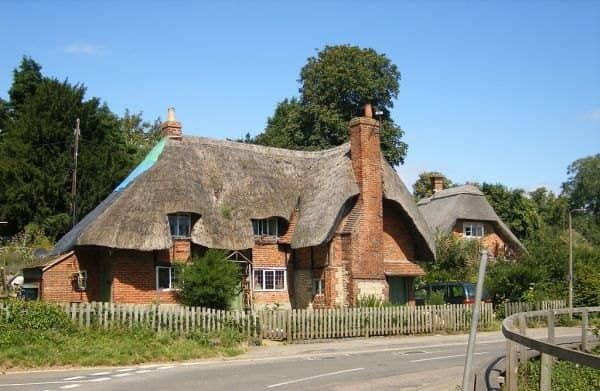
Rural areas are exposed because they rarely see large developments. If brought into effect, this change would have disproportionate consequences for rural communities, where nearly all homes are delivered on sites of fewer than 50 homes, and according to government supply figures, last year Section 106 accounted for more than half (51.3%) of affordable housing delivery in the most rural areas of England.
The concern extends beyond raw numbers to the shape of communities. There are also concerns that affordable housing built elsewhere could weaken mixed-income communities by concentrating lower-cost housing in separate locations.
- • The proposed flexibility would apply only to sites of 10 to 49 units.
- • Section 106 delivered around 36% of all affordable homes in England in 2024 to 2025.
- • The NHF estimates roughly half of future rural affordable homes could be at risk.
Where the government stands
Ministers have stressed that nothing has been settled. Kate Henderson, the chief executive of the NHF, said rural families are already in the most acute need of affordable homes, often priced out of the communities they call home, and these proposals risk making the rural housing crisis even worse.
The department has pushed back on the idea that a decision has been made. A spokesperson for the Ministry of Housing, Communities and Local Government said no decisions have been taken on the future of section 106 agreements, but that it is committed to making the process simpler and more transparent so it can get on and build the homes and infrastructure the country desperately needs.
With a final decision expected within weeks, the outcome will shape how affordable homes are delivered on small and medium sites for years to come, particularly in the countryside where large developments are scarce. For anyone tracking the affordable and supported housing pipeline, the Section 106 question is one to watch closely. Silkwood Group will continue to follow the consultation and its implications for the sector.
Sources
- • National Housing Federation, Half of future rural affordable homes under threat
- • Housing Today, NHF says 32,000 affordable homes could be lost as a result of proposed section 106 flexibility on small sites
- • LocalGov, Affordable rural housing at risk from planning reforms
- • The British Eye, Planning Changes May Reduce Affordable Homes in Rural England
Want this kind of insight applied to your own plans? Book a call or view current developments.
This article is for general information and education only and does not constitute financial advice. Figures are drawn from the sources listed and were correct at the time of writing.